
Innovation in computing has always been driven by diverse perspectives, bold ideas, and researchers willing to challenge technical boundaries. As we recognize Black History Month, it is important to highlight the pioneering Black computer scientists and technologists whose work continues to influence artificial intelligence, optics, cybersecurity, networking, software engineering, and modern computing infrastructure.
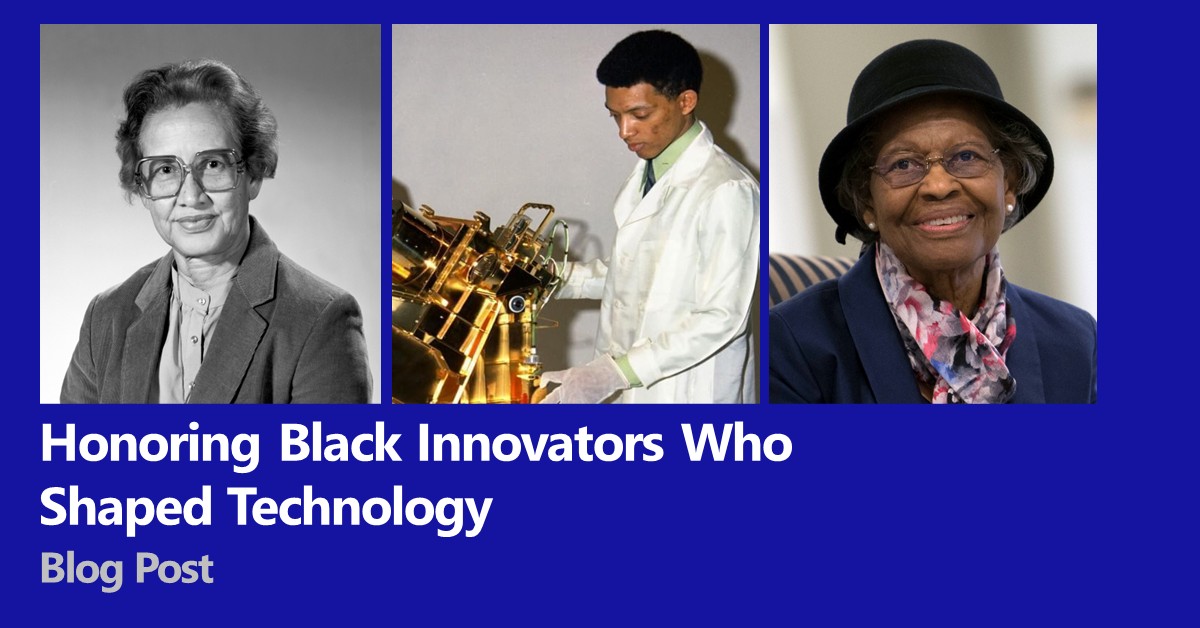
At NEC Laboratories America, we believe that progress in research is built on the contributions of those who opened new paths in science and technology. The innovators below represent only a small portion of the many Black researchers whose achievements continue to shape the technologies we rely on today.
Dr. Katherine Johnson: Computing for Space Exploration
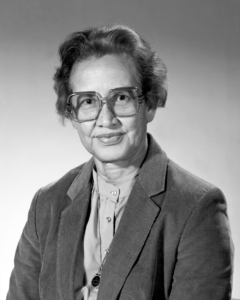 Before modern digital computing became mainstream, mathematician and computer scientist Dr. Katherine Johnson performed complex orbital calculations that enabled early U.S. space missions, including John Glenn’s historic orbital flight.
Her work demonstrated the power of computational precision and data-driven decision-making long before today’s era of AI and simulation. Dr. Johnson’s legacy highlights the essential role of mathematical modeling and computational thinking in solving real-world engineering challenges.
Dr. Clarence “Skip” Ellis: Pioneer of Collaborative Computing
Dr. Clarence Ellis was the first African American to earn a Ph.D. in computer science and is widely recognized as a pioneer of collaborative software systems. His research helped establish concepts that underpin modern groupware, real-time collaboration tools, and distributed teamwork platforms.
Long before cloud-based collaboration became common, Dr. Ellis explored how people and computers could work together effectively across networks, an idea that now defines much of today’s enterprise software landscape.
Dr. George Robert Carruthers: Innovating Scientific Imaging
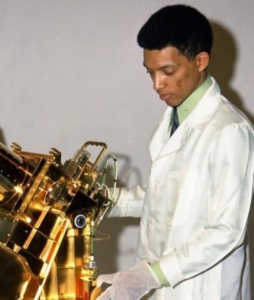 Dr. George Robert Carruthers was an inventor and physicist whose pioneering ultraviolet imaging technology enabled scientists to capture observations from the lunar surface during the Apollo program.
His work combined advanced optics, instrumentation, and data analysis, demonstrating how innovative engineering and scientific research can expand our understanding of the universe. His legacy reflects the power of applied research to turn complex technical challenges into groundbreaking discoveries.
Dr. Timnit Gebru: Advancing Responsible AI
As artificial intelligence becomes central to modern research, Dr. Timnit Gebru has been a leading voice in ethical AI and responsible machine learning. Her work examines bias, transparency, and accountability in large-scale AI systems, emphasizing the importance of aligning technological progress with societal impact.
The growing focus on trustworthy and explainable AI across industry and academia reflects the importance of research that balances performance with fairness and responsibility.
Dr. Gladys West: Mathematical Foundations Behind GPS Technology
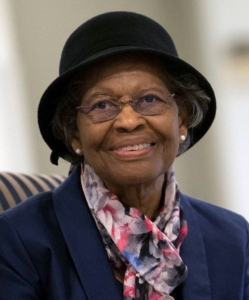 Dr. Gladys West is a mathematician whose pioneering work in geodetic modeling and satellite data analysis helped establish the foundation for modern GPS systems. By developing advanced algorithms to accurately model Earth’s shape, she enabled the precision required for reliable navigation and positioning technologies.
Dr. West’s contributions demonstrate how mathematical rigor, large-scale data processing, and algorithmic innovation can translate into real-world systems that support global navigation, logistics, and communication — a clear example of research driving transformative technology.
Building the Future Through Inclusive Innovation
The history of computing shows that breakthrough ideas often emerge when diverse experiences and perspectives come together. From hardware architecture and collaborative systems to AI ethics and digital media, Black researchers have helped shape the foundations of modern technology. At NEC Laboratories America, we remain committed to fostering a research environment where innovation thrives through collaboration, curiosity, and inclusion. By recognizing the pioneers who advanced the field, we also look ahead, toward the next generation of researchers who will define the future of AI, communications, computing, and beyond.
Read More Blog Posts
 https://www.nec-labs.com/wp-content/uploads/2026/10/Meet-Yue-Kai-Huang-Leading-Our-New-Optical-Communications-Computing-Department.jpg
628
1200
NEC Labs America
https://www.nec-labs.com/wp-content/uploads/2025/08/NEC-Laboratories-America-Logo-Aug-2025-2.jpg
NEC Labs America2026-10-13 10:45:372026-10-13 11:09:56Meet Yue-Kai Huang: Leading Our New Optical Communications & Computing Department
https://www.nec-labs.com/wp-content/uploads/2026/10/Meet-Yue-Kai-Huang-Leading-Our-New-Optical-Communications-Computing-Department.jpg
628
1200
NEC Labs America
https://www.nec-labs.com/wp-content/uploads/2025/08/NEC-Laboratories-America-Logo-Aug-2025-2.jpg
NEC Labs America2026-10-13 10:45:372026-10-13 11:09:56Meet Yue-Kai Huang: Leading Our New Optical Communications & Computing Department https://www.nec-labs.com/wp-content/uploads/2026/10/Message-from-Christopher-White.jpg
628
1200
NEC Labs America
https://www.nec-labs.com/wp-content/uploads/2025/08/NEC-Laboratories-America-Logo-Aug-2025-2.jpg
NEC Labs America2026-10-05 16:55:202026-10-05 17:19:59Message from Chris White, New Head of NEC Research & Development
https://www.nec-labs.com/wp-content/uploads/2026/10/Message-from-Christopher-White.jpg
628
1200
NEC Labs America
https://www.nec-labs.com/wp-content/uploads/2025/08/NEC-Laboratories-America-Logo-Aug-2025-2.jpg
NEC Labs America2026-10-05 16:55:202026-10-05 17:19:59Message from Chris White, New Head of NEC Research & Development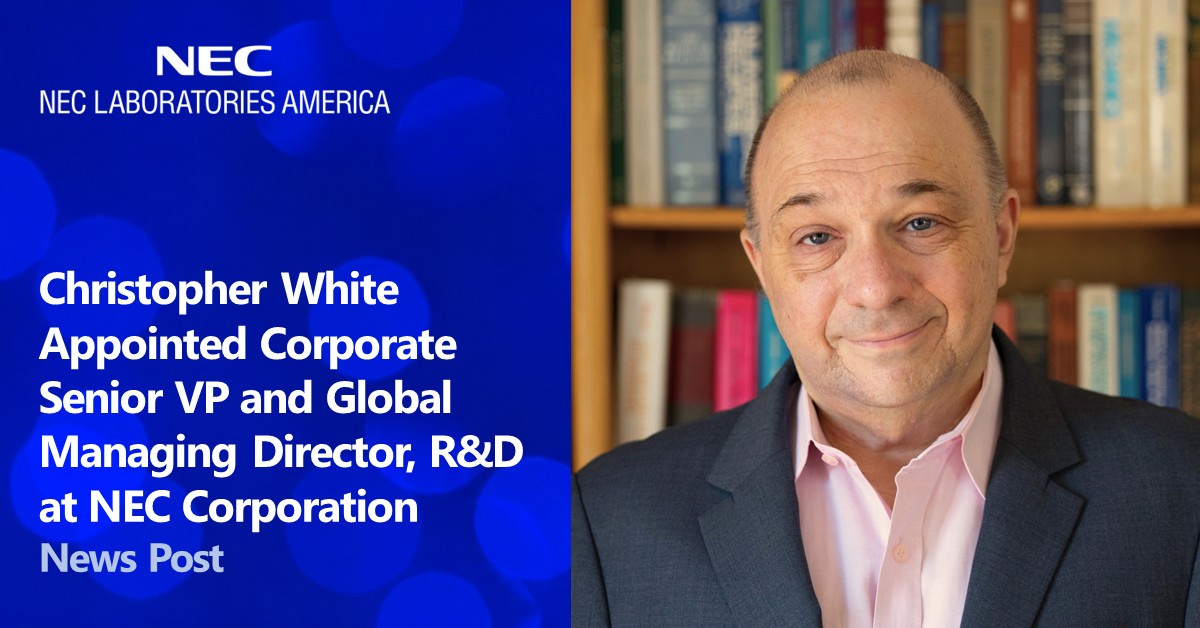 https://www.nec-labs.com/wp-content/uploads/2026/09/Chris-White-Promotion-SMM.jpg
628
1200
NEC Labs America
https://www.nec-labs.com/wp-content/uploads/2025/08/NEC-Laboratories-America-Logo-Aug-2025-2.jpg
NEC Labs America2026-09-23 19:54:142026-09-23 20:10:49Christopher White Appointed Corporate Senior Vice President and Global Managing Director, R&D at NEC Corporation
https://www.nec-labs.com/wp-content/uploads/2026/09/Chris-White-Promotion-SMM.jpg
628
1200
NEC Labs America
https://www.nec-labs.com/wp-content/uploads/2025/08/NEC-Laboratories-America-Logo-Aug-2025-2.jpg
NEC Labs America2026-09-23 19:54:142026-09-23 20:10:49Christopher White Appointed Corporate Senior Vice President and Global Managing Director, R&D at NEC Corporation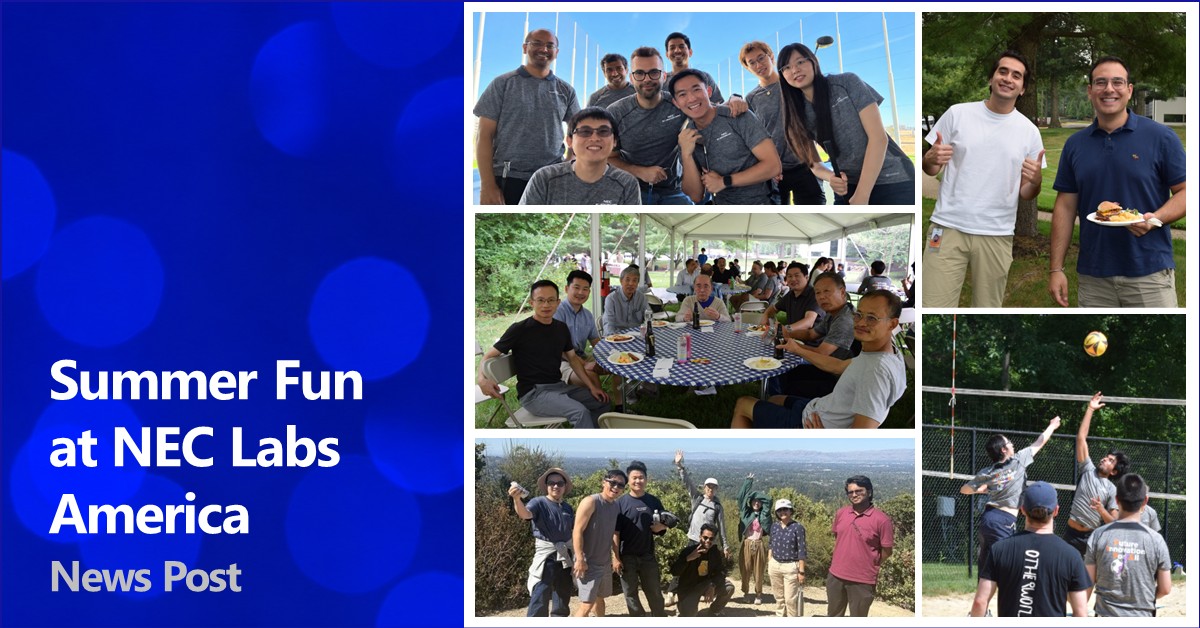 https://www.nec-labs.com/wp-content/uploads/2026/09/NEC-Labs-America-Summer-Fun.jpg
628
1200
NEC Labs America
https://www.nec-labs.com/wp-content/uploads/2025/08/NEC-Laboratories-America-Logo-Aug-2025-2.jpg
NEC Labs America2026-09-22 16:50:282026-10-01 12:18:48Summer Fun at NEC Labs America
https://www.nec-labs.com/wp-content/uploads/2026/09/NEC-Labs-America-Summer-Fun.jpg
628
1200
NEC Labs America
https://www.nec-labs.com/wp-content/uploads/2025/08/NEC-Laboratories-America-Logo-Aug-2025-2.jpg
NEC Labs America2026-09-22 16:50:282026-10-01 12:18:48Summer Fun at NEC Labs America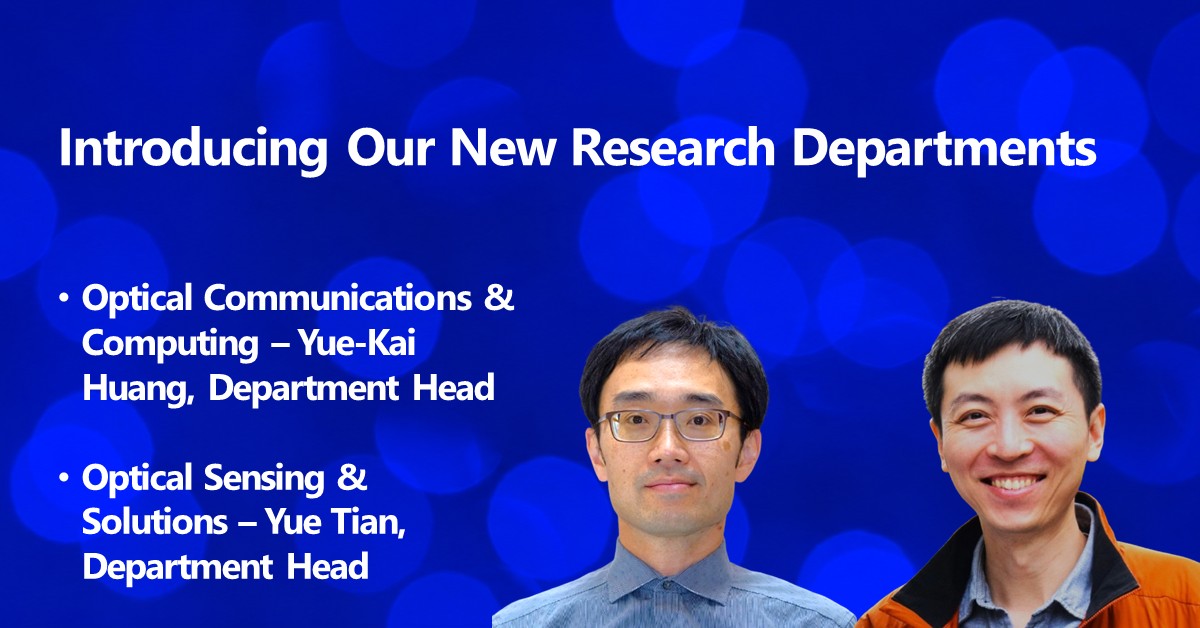 https://www.nec-labs.com/wp-content/uploads/2026/09/OCC-OSS-Blog-Post.jpg
628
1200
NEC Labs America
https://www.nec-labs.com/wp-content/uploads/2025/08/NEC-Laboratories-America-Logo-Aug-2025-2.jpg
NEC Labs America2026-09-01 07:00:042026-09-18 09:42:38NEC Laboratories America Forms Two New Departments: Optical Communications & Computing and Optical Sensing & Solutions
https://www.nec-labs.com/wp-content/uploads/2026/09/OCC-OSS-Blog-Post.jpg
628
1200
NEC Labs America
https://www.nec-labs.com/wp-content/uploads/2025/08/NEC-Laboratories-America-Logo-Aug-2025-2.jpg
NEC Labs America2026-09-01 07:00:042026-09-18 09:42:38NEC Laboratories America Forms Two New Departments: Optical Communications & Computing and Optical Sensing & Solutions https://www.nec-labs.com/wp-content/uploads/2026/08/NEC-Laboratories-America-Researchers-Win-a-2026-Edison-Patent-Award-for-Optical-Fiber-Innovation.jpg
628
1200
NEC Labs America
https://www.nec-labs.com/wp-content/uploads/2025/08/NEC-Laboratories-America-Logo-Aug-2025-2.jpg
NEC Labs America2026-08-20 09:14:182026-08-21 15:16:35NEC Laboratories America Researchers Win a 2026 Edison Patent Award for Optical Fiber Innovation
https://www.nec-labs.com/wp-content/uploads/2026/08/NEC-Laboratories-America-Researchers-Win-a-2026-Edison-Patent-Award-for-Optical-Fiber-Innovation.jpg
628
1200
NEC Labs America
https://www.nec-labs.com/wp-content/uploads/2025/08/NEC-Laboratories-America-Logo-Aug-2025-2.jpg
NEC Labs America2026-08-20 09:14:182026-08-21 15:16:35NEC Laboratories America Researchers Win a 2026 Edison Patent Award for Optical Fiber Innovation