NEC Labs America Joins CS3 Advisory Board to Advance Smart Streetscapes
NEC Laboratories America is proud to announce our new role as a member of the Center for Smart Streetscapes (CS3) Advisory Board, a multidisciplinary initiative focused on transforming urban streets through technology, data, and design.
The CS3 initiative, funded by the National Science Foundation as part of its Smart and Connected Communities program, brings together researchers, cities, and companies to tackle real-world challenges in urban environments. The focus is on deploying intelligent infrastructure that can enhance safety, efficiency, and accessibility in public spaces.
CS3 is the largest federally funded engineering research center focused on purpose-built technology solutions for the streetscape. The Center was established in 2022 through a $26 million, five-year grant from the National Science Foundation (NSF) to its core partners: Columbia University, Florida Atlantic University, Rutgers University, University of Central Florida, and Lehman College. CS3 collaborates with industry, government, and community stakeholders to foster the development of a rich ecosystem of streetscape applications that can help address the challenges faced by communities.
As the U.S.-based hub for NEC Corporation’s global research network, NEC Labs America contributes cutting-edge work in AI, computer vision, and edge computing. These technologies are essential for building responsive systems that can, for example, detect hazards in real time, analyze traffic patterns, or deliver localized services based on community needs. Our participation in CS3 is led by:
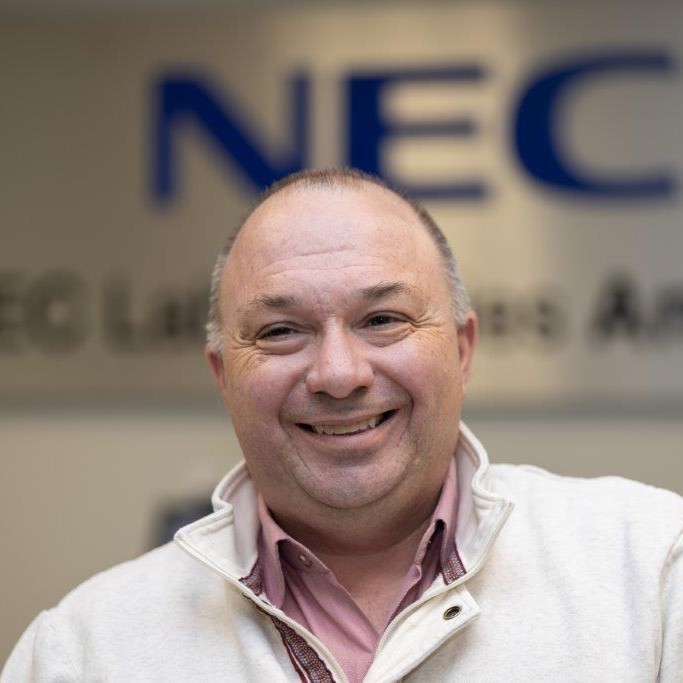
Dr. Christopher White, President of NEC Labs America

Kay Seo, Senior Director and Head of Strategic Pursuits and Global Partnerships
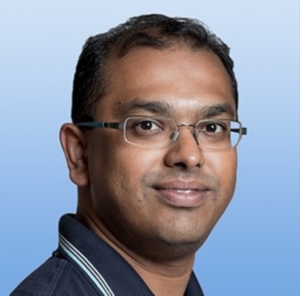
Manmohan Chandraker, Head of the Media Analytics Department and Head of Computer Vision Research.
Chris spoke on the role of research in innovation and going to market in a keynote address at the CS3 VALIDATE Accelerator Demo Day in April. He reflected on how industrial research bridges the gap between groundbreaking innovation and real-world application. He described NEC’s broad technology portfolio, from optical networking and sensing to machine learning and media analytics.
Together, we’re looking forward to collaborating with academic partners, civic leaders, and industry experts to explore the intersection of technology and the public realm. By aligning innovative research with community impact, we hope to accelerate the deployment of intelligent, people-centered streetscapes.
To learn more about CS3 and NEC Labs America’s involvement, please visit the CS3 Partners with NEC Laboratories America on Research and Welcomes Them to the Advisory Board announcement.

Read Our News Posts
 https://www.nec-labs.com/wp-content/uploads/2024/08/Introducing-the-Trustworthy-Generative-AI-Project-Pioneering-the-Future-of-Compositional-Generation-and-Reasoning-Blog-Post.jpg
628
1200
NEC Labs America
https://www.nec-labs.com/wp-content/uploads/2025/08/NEC-Laboratories-America-Logo-Aug-2025-2.jpg
NEC Labs America2024-08-19 16:53:452026-06-26 13:06:10Introducing the Trustworthy Generative AI Project: Pioneering the Future of Compositional Generation and Reasoning
https://www.nec-labs.com/wp-content/uploads/2024/08/Introducing-the-Trustworthy-Generative-AI-Project-Pioneering-the-Future-of-Compositional-Generation-and-Reasoning-Blog-Post.jpg
628
1200
NEC Labs America
https://www.nec-labs.com/wp-content/uploads/2025/08/NEC-Laboratories-America-Logo-Aug-2025-2.jpg
NEC Labs America2024-08-19 16:53:452026-06-26 13:06:10Introducing the Trustworthy Generative AI Project: Pioneering the Future of Compositional Generation and Reasoning https://www.nec-labs.com/wp-content/uploads/2024/08/Introducing-Our-New-Project-Time-Series-Language-Model-for-Explainable-AI-Blog-Post.jpg
628
1200
NEC Labs America
https://www.nec-labs.com/wp-content/uploads/2025/08/NEC-Laboratories-America-Logo-Aug-2025-2.jpg
NEC Labs America2024-08-13 15:12:542026-06-26 10:52:12Introducing Our New Project: Time Series Language Model for Explainable AI
https://www.nec-labs.com/wp-content/uploads/2024/08/Introducing-Our-New-Project-Time-Series-Language-Model-for-Explainable-AI-Blog-Post.jpg
628
1200
NEC Labs America
https://www.nec-labs.com/wp-content/uploads/2025/08/NEC-Laboratories-America-Logo-Aug-2025-2.jpg
NEC Labs America2024-08-13 15:12:542026-06-26 10:52:12Introducing Our New Project: Time Series Language Model for Explainable AI https://www.nec-labs.com/wp-content/uploads/2024/08/Agentic-LLMs-for-AI-Orchestration-Project-Revolutionizing-Complex-Workflows-.jpg
628
1200
NEC Labs America
https://www.nec-labs.com/wp-content/uploads/2025/08/NEC-Laboratories-America-Logo-Aug-2025-2.jpg
NEC Labs America2024-08-08 17:48:302026-06-30 08:30:46Agentic LLMs for AI Orchestration Project: Revolutionizing Complex Workflows
https://www.nec-labs.com/wp-content/uploads/2024/08/Agentic-LLMs-for-AI-Orchestration-Project-Revolutionizing-Complex-Workflows-.jpg
628
1200
NEC Labs America
https://www.nec-labs.com/wp-content/uploads/2025/08/NEC-Laboratories-America-Logo-Aug-2025-2.jpg
NEC Labs America2024-08-08 17:48:302026-06-30 08:30:46Agentic LLMs for AI Orchestration Project: Revolutionizing Complex Workflows https://www.nec-labs.com/wp-content/uploads/2024/07/The-Evolution-of-Disciplines-From-Experimental-Roots-to-Theoretical-Frameworks-Blog-Post.jpg
628
1200
Christopher White
https://www.nec-labs.com/wp-content/uploads/2025/08/NEC-Laboratories-America-Logo-Aug-2025-2.jpg
Christopher White2024-07-29 11:10:202026-06-26 10:54:20The Evolution of Disciplines: From Experimental Roots to Theoretical Frameworks
https://www.nec-labs.com/wp-content/uploads/2024/07/The-Evolution-of-Disciplines-From-Experimental-Roots-to-Theoretical-Frameworks-Blog-Post.jpg
628
1200
Christopher White
https://www.nec-labs.com/wp-content/uploads/2025/08/NEC-Laboratories-America-Logo-Aug-2025-2.jpg
Christopher White2024-07-29 11:10:202026-06-26 10:54:20The Evolution of Disciplines: From Experimental Roots to Theoretical Frameworks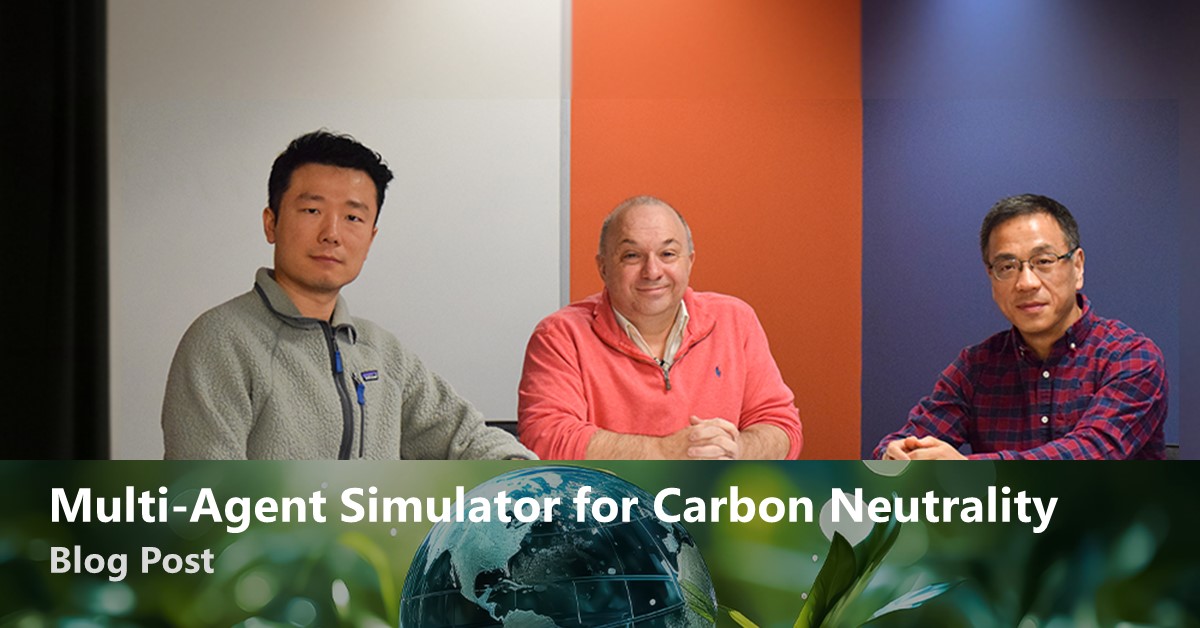 https://www.nec-labs.com/wp-content/uploads/2024/04/Multi-Agent-Simulator-for-Carbon-Neutrality.jpg
628
1200
NEC Labs America
https://www.nec-labs.com/wp-content/uploads/2025/08/NEC-Laboratories-America-Logo-Aug-2025-2.jpg
NEC Labs America2024-04-24 14:57:202026-06-26 13:08:12Multi-Agent Simulator for Carbon Neutrality: The Technology the World Has Been Waiting For
https://www.nec-labs.com/wp-content/uploads/2024/04/Multi-Agent-Simulator-for-Carbon-Neutrality.jpg
628
1200
NEC Labs America
https://www.nec-labs.com/wp-content/uploads/2025/08/NEC-Laboratories-America-Logo-Aug-2025-2.jpg
NEC Labs America2024-04-24 14:57:202026-06-26 13:08:12Multi-Agent Simulator for Carbon Neutrality: The Technology the World Has Been Waiting For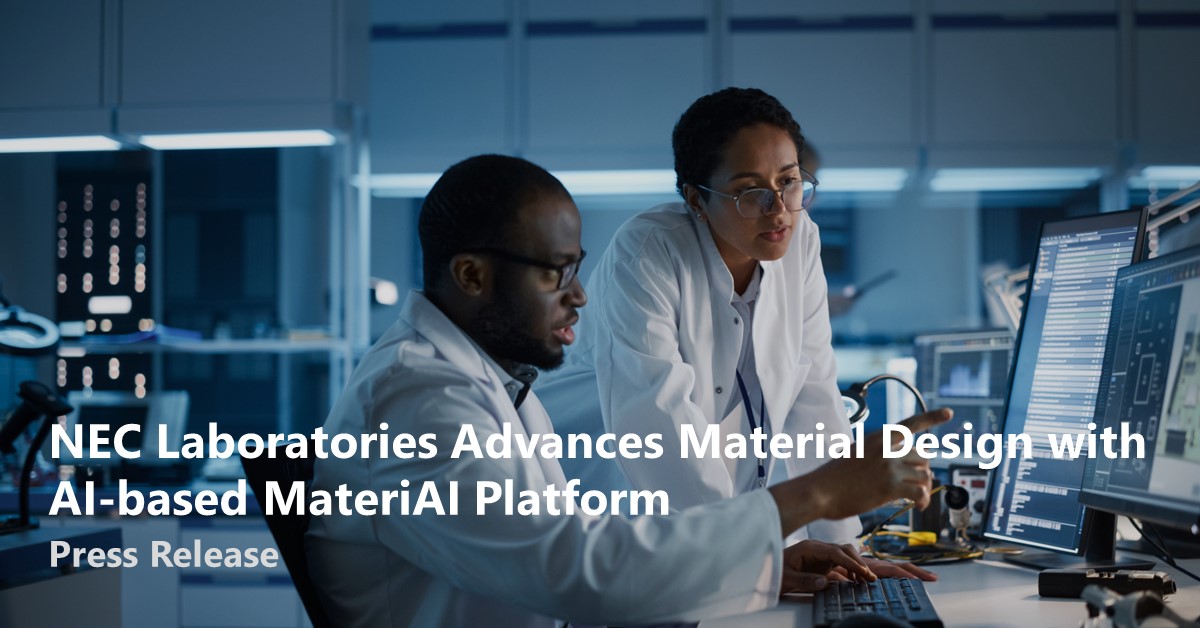 https://www.nec-labs.com/wp-content/uploads/2024/03/NEC-Laboratories-Advances-Material-Design-with-AI-based-MateriAI-Platform-.jpg
628
1200
NEC Labs America
https://www.nec-labs.com/wp-content/uploads/2025/08/NEC-Laboratories-America-Logo-Aug-2025-2.jpg
NEC Labs America2024-03-14 10:33:082026-06-26 10:58:38NEC Laboratories Advances Material Design with AI-based MateriAI Platform
https://www.nec-labs.com/wp-content/uploads/2024/03/NEC-Laboratories-Advances-Material-Design-with-AI-based-MateriAI-Platform-.jpg
628
1200
NEC Labs America
https://www.nec-labs.com/wp-content/uploads/2025/08/NEC-Laboratories-America-Logo-Aug-2025-2.jpg
NEC Labs America2024-03-14 10:33:082026-06-26 10:58:38NEC Laboratories Advances Material Design with AI-based MateriAI Platform